



Slow Snow, Big Opportunities
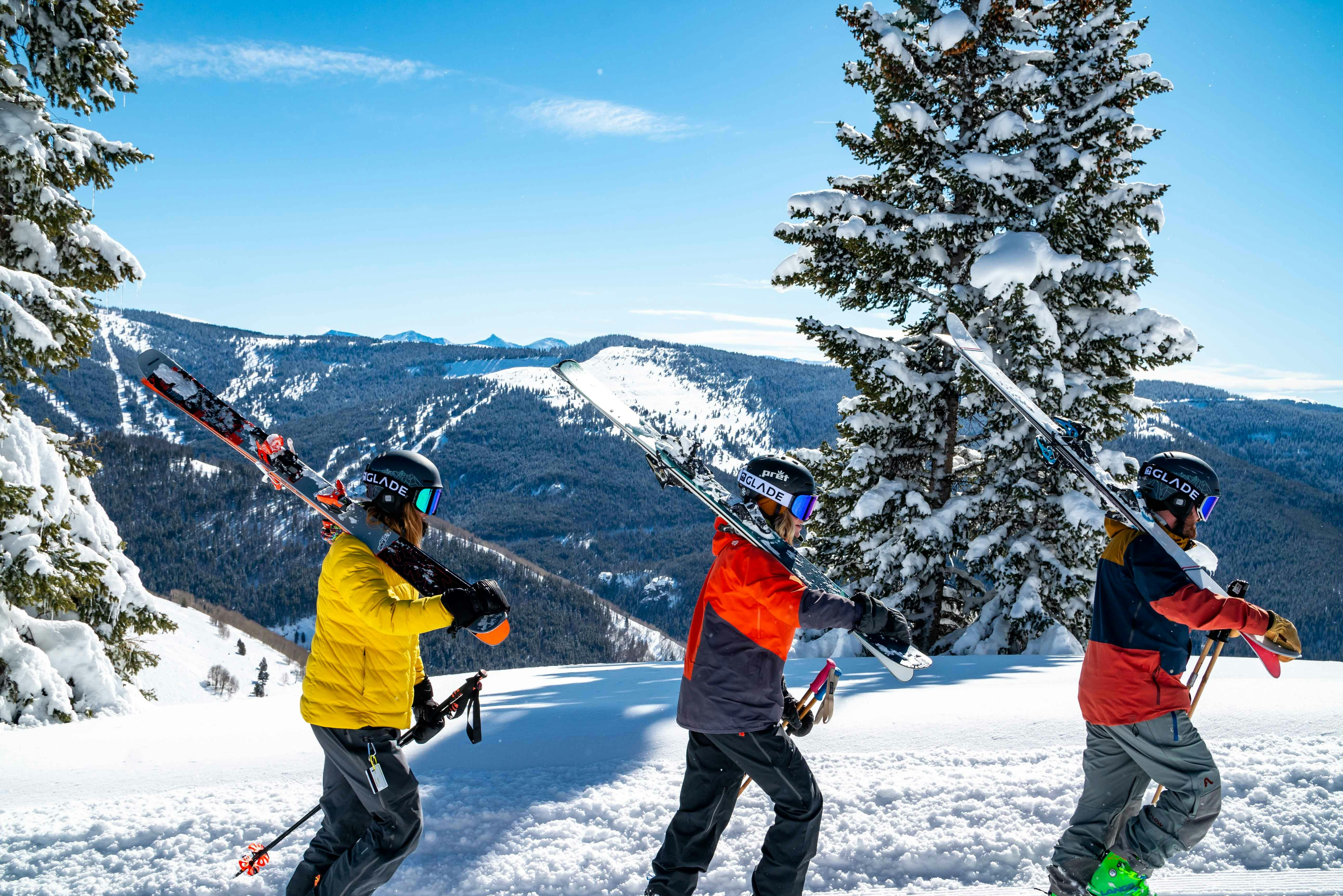
Colorado winters are synonymous with powdery slopes, bustling ski resorts, and eager winter enthusiasts. Yet, this year, many operators have experienced slower-than-expected snowfalls, creating unexpected challenges for the ski industry. While the minimal snow totals might seem like a setback, it also presents a unique opportunity to refocus efforts on preparation, marketing, and equipment upgrades. From evaluating operational efficiencies to planning ahead for next season, businesses can turn this lull into a strategic advantage. Ski packages can be used for targeted promotions and customer engagement strategies.
Embrace End-of-Season Maintenance
One of the most productive ways to use a slow season is to focus on maintenance. Ski lifts, grooming equipment, and rental gear all experience wear and tear over a typical winter. Operators can perform thorough inspections, repairs, and upgrades without the pressure of high traffic.
- Lift and Gondola Checkups: Ensure all mechanical and safety systems are in top condition. Addressing minor issues now prevents costly downtime in peak season.
- Grooming Equipment: Tune engines, sharpen blades, and perform routine lubrication. A well-maintained fleet reduces operational delays and ensures smooth runs for skiers.
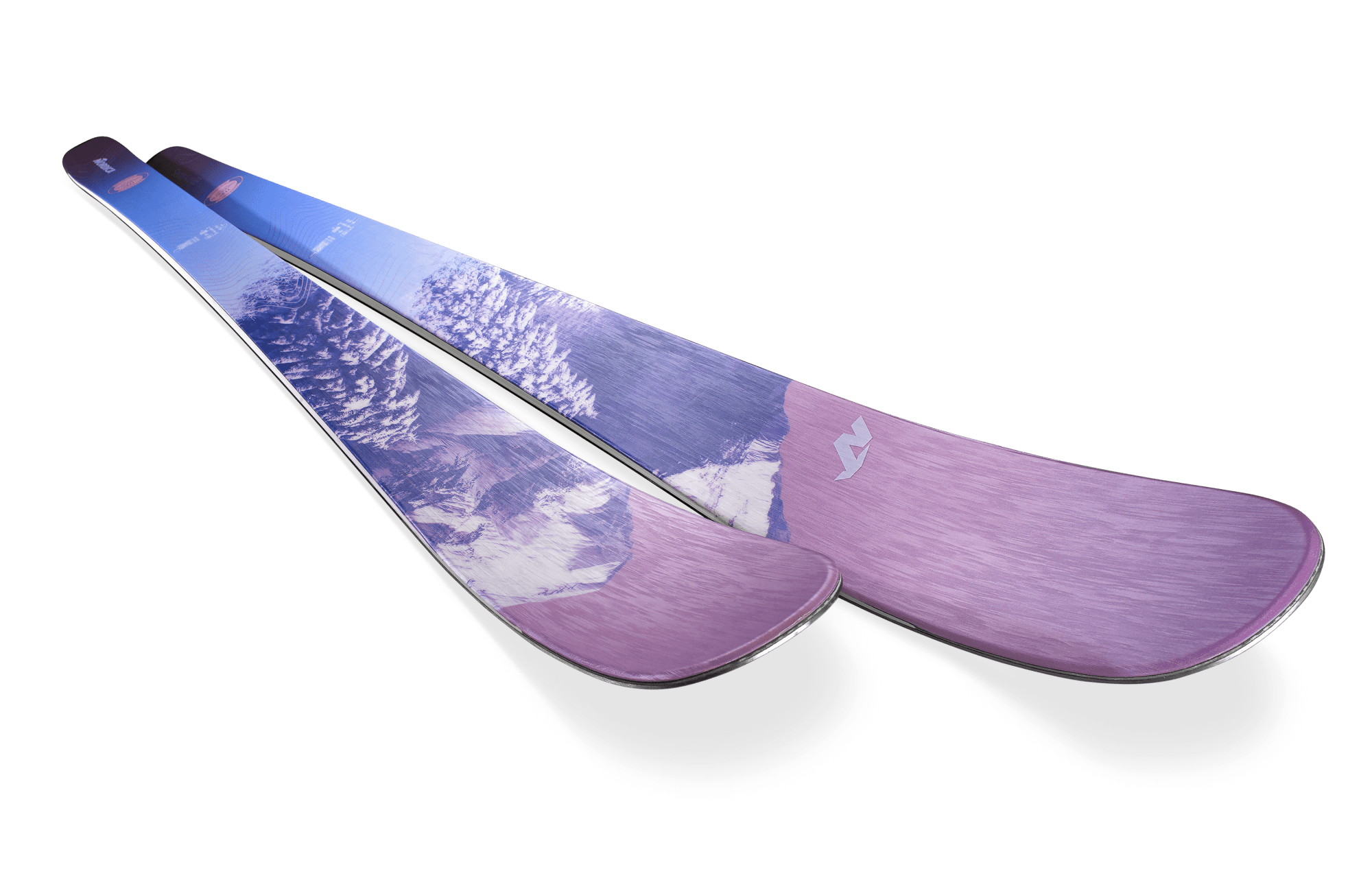
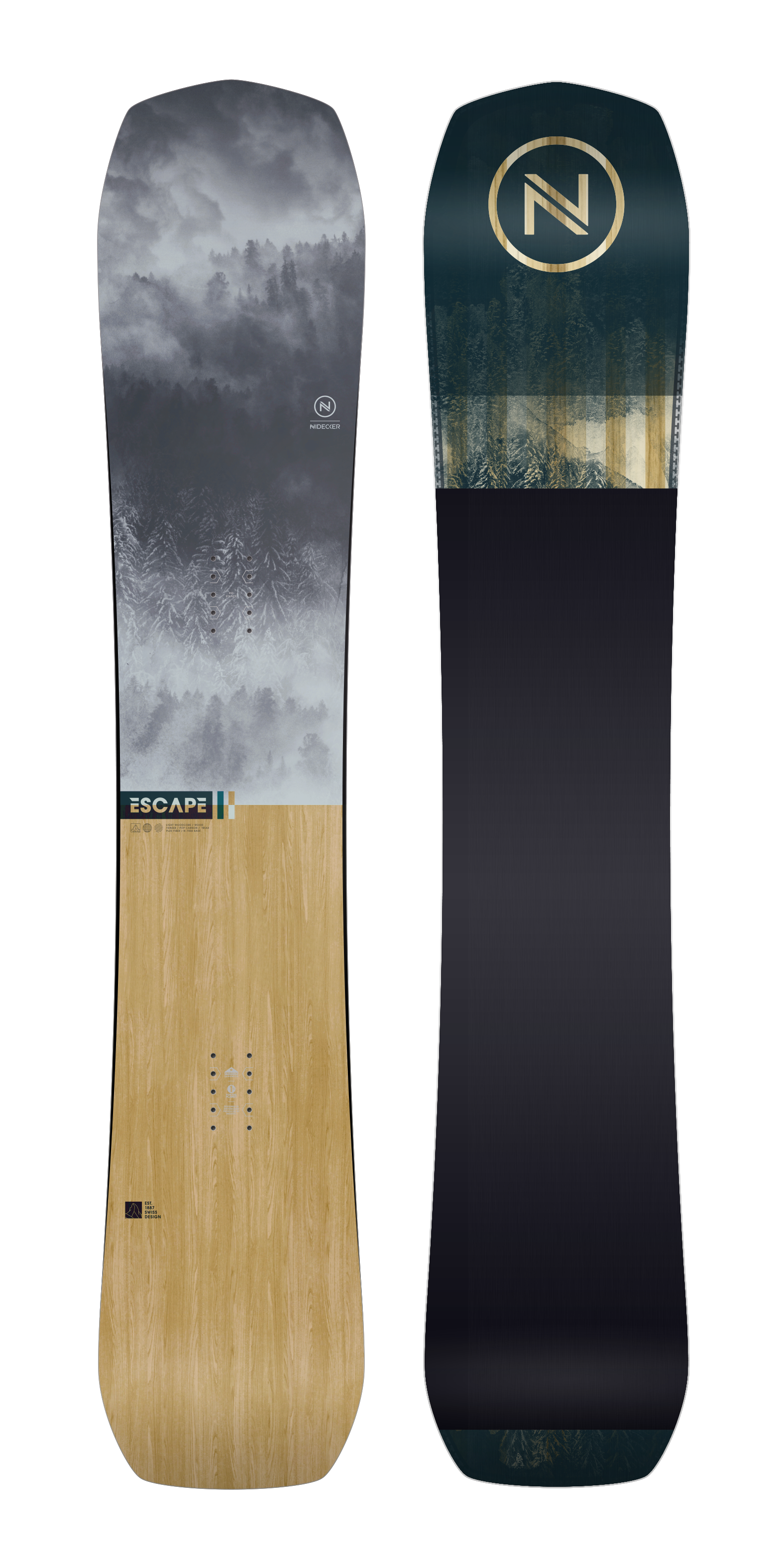
- Rental Gear: Skis, snowboards, and boots should be cleaned, inspected, and repaired. Investing in the longevity of rental gear improves customer satisfaction and reduces replacement costs.
By completing maintenance tasks early, resorts and operators position themselves for a seamless reopening when snowfall picks up.
Optimize Operational Processes
A slow season is an ideal time to assess internal workflows and operational efficiency. Staff can review processes without the pressure of day-to-day demand, and improvements can be implemented proactively.
- Staff Training: Invest in cross-training team members in areas like customer service, equipment handling, and safety protocols. Training during off-peak periods strengthens the team and boosts confidence when the season ramps up.
- Scheduling and Staffing: Evaluate employee schedules, identify bottlenecks, and plan efficient coverage for future snow events. This reduces burnout during busy periods.
- Inventory Management: Review consumables, food and beverage stock, and retail inventory. Adjust orders for next season based on this season’s sales data to prevent overstock or shortages.
By refining operations during slower months, ski resorts and operators enhance performance and ensure smoother service when demand returns.
Strategic Marketing for Next Season
While heavy snow drives natural foot traffic, a slow season offers time to focus on marketing strategies that can pay off long-term. Consider the following:
- Digital Presence: Update websites, social media accounts, and online booking platforms. Share engaging content about off-season activities, safety measures, and upcoming packages to maintain audience interest.
- Email Campaigns: Use this downtime to send pre-season promotions, early bird discounts, or loyalty rewards. Targeted emails can capture repeat visitors and build excitement for next season.
- Local Partnerships: Collaborate with hotels, restaurants, and outdoor retailers to create bundled offerings or co-branded promotions. Joint marketing efforts can increase visibility and attract new customers.
By investing time in strategic marketing during a slow season, operators can maintain engagement, strengthen brand loyalty, and drive bookings even before the snow arrives.

Upgrade and Innovate
Now is the perfect window for investing in improvements that enhance both the guest experience and operational efficiency.
- Slope Improvements: Assess trails and terrain parks for safety, flow, and aesthetics. Installing new signage, barriers, or snowmaking systems now ensures readiness for peak conditions.
- Technology Enhancements: Consider implementing new point-of-sale systems, mobile booking apps, or digital trail maps. Technology upgrades improve efficiency and enhance customer satisfaction.
- Facility Renovations: Use this time to renovate lodges, restrooms, and dining areas. Even minor cosmetic updates can significantly improve the guest experience.
Operators who proactively invest in infrastructure and technology during slow periods gain a competitive advantage when winter conditions improve.
Explore Off-Season Activities
Not all winter revenue relies solely on snowfall. Resorts can capitalize on alternative activities during low-snow periods to diversify revenue streams.
- Outdoor Fitness and Training Programs: Offer ski conditioning classes, snowshoeing, or Nordic walking. These activities engage enthusiasts and maintain their connection with the resort.
- Adventure Camps and Clinics: Host small-group ski or snowboard clinics in preparation for the next season. Training sessions allow guests to improve skills and build anticipation for the slopes.
- Local Community Engagement: Organize charity events, winter festivals, or workshops. Engaging the local community strengthens brand visibility and builds long-term loyalty.
Diversifying offerings keeps the business active, even when the snowfall is limited.
Focus on Staff Development
Employee growth is critical to long-term success. A slow season is an ideal time for professional development and team building:
- Workshops and Certifications: Provide safety certifications, customer service training, or equipment maintenance workshops. A more skilled team improves guest experience and reduces operational risks.
- Team-Building Activities: Strengthen morale and collaboration through team outings or problem-solving exercises. A cohesive team is more efficient and motivated during peak season.
- Feedback and Planning Sessions: Encourage staff to provide insights on past challenges and future improvements. Frontline perspectives can identify opportunities that leadership may overlook.
Investing in staff during a slow season leads to higher performance, lower turnover, and a stronger overall operation.
Leverage Snowmaking and Technology
For resorts facing low natural snowfall, artificial snowmaking and tech-driven forecasting become essential.
- Snowmaking Maintenance: Inspect and repair snow guns, pumps, and piping to maximize efficiency when conditions allow.
- Weather and Forecast Tools: Use real-time weather data and predictive analytics to schedule snowmaking operations optimally, reducing waste and energy costs.
- Environmental Considerations: Implement sustainable snowmaking practices to balance operational efficiency with eco-responsibility.
Technology investments can make a low-snow season feel more manageable and help maintain quality for guests.

Reflect, Plan, and Set Goals
Finally, slow seasons offer valuable time for reflection and long-term strategic planning:
- Data Analysis: Review visitor numbers, revenue streams, and operational metrics to identify trends and areas for improvement.
- Goal Setting: Establish clear objectives for guest satisfaction, safety, and revenue targets for the next season.
- Innovation Brainstorming: Encourage staff and leadership to develop creative ideas for attractions, services, or packages.
Thoughtful planning ensures the business emerges stronger when winter conditions normalize, turning a slow season into a launching pad for future success.
Turning a Light Snow Year into Long-Term Growth and Operational Strength
A slow snowfall season in Colorado does not have to be a setback. By focusing on maintenance, operational efficiency, marketing, infrastructure upgrades, staff development, and off-season activities, ski resorts and operators can turn downtime into opportunity. Each strategic action taken now ensures peak performance when the snow finally arrives. By embracing preparation and innovation, businesses can strengthen customer relationships, improve operational readiness, and position themselves for long-term success. Even in a season with limited snow, opportunities abound for those willing to adapt, plan, and invest in the future.